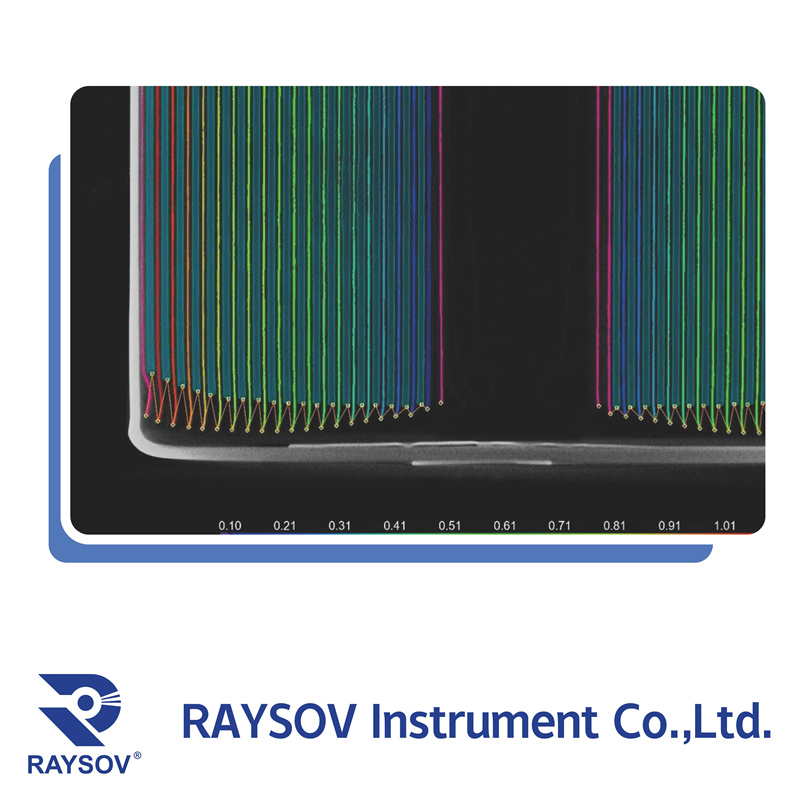
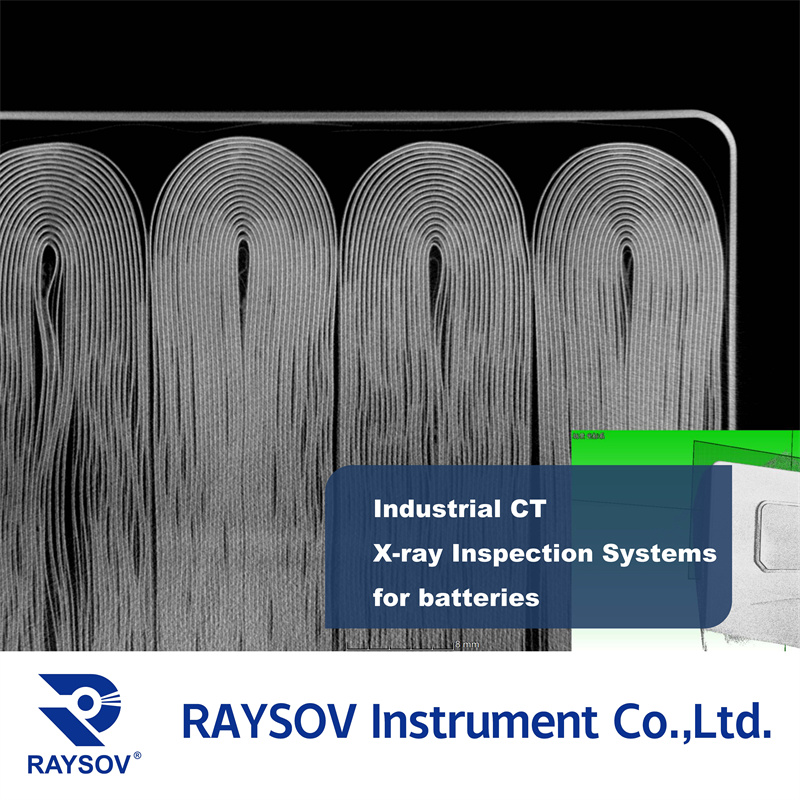
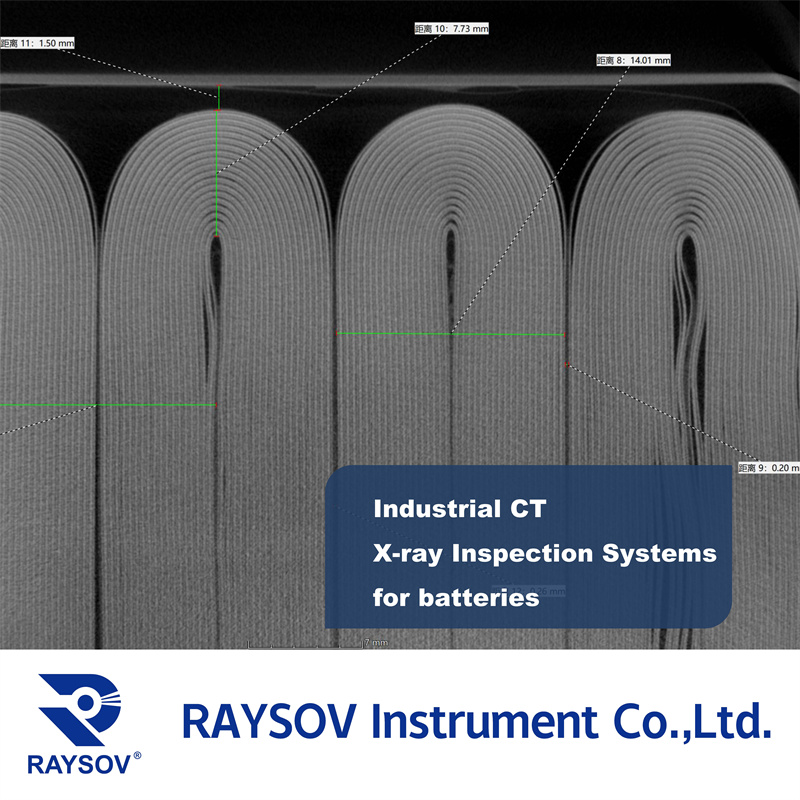
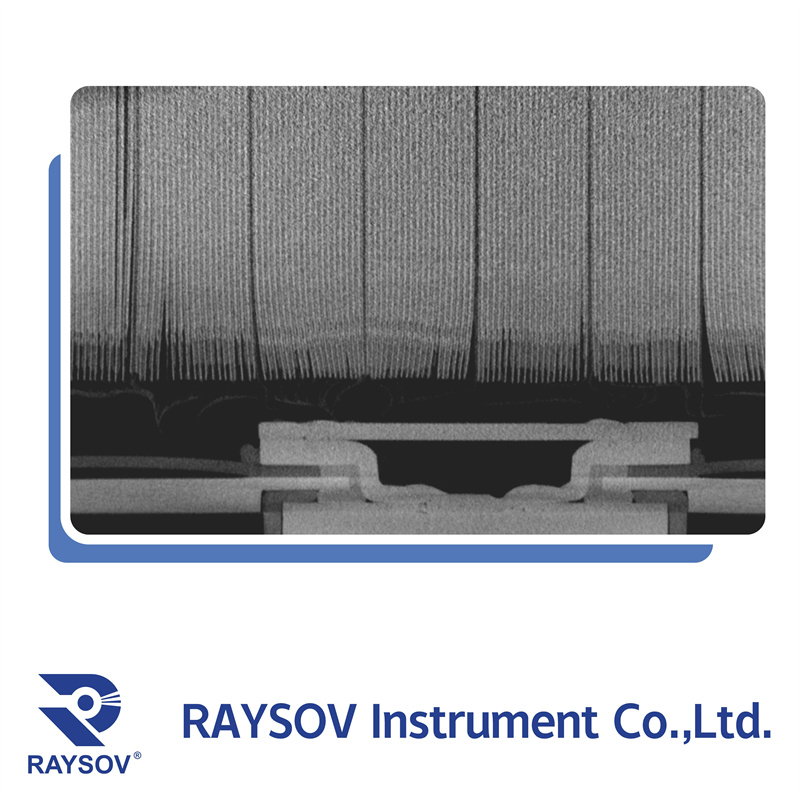
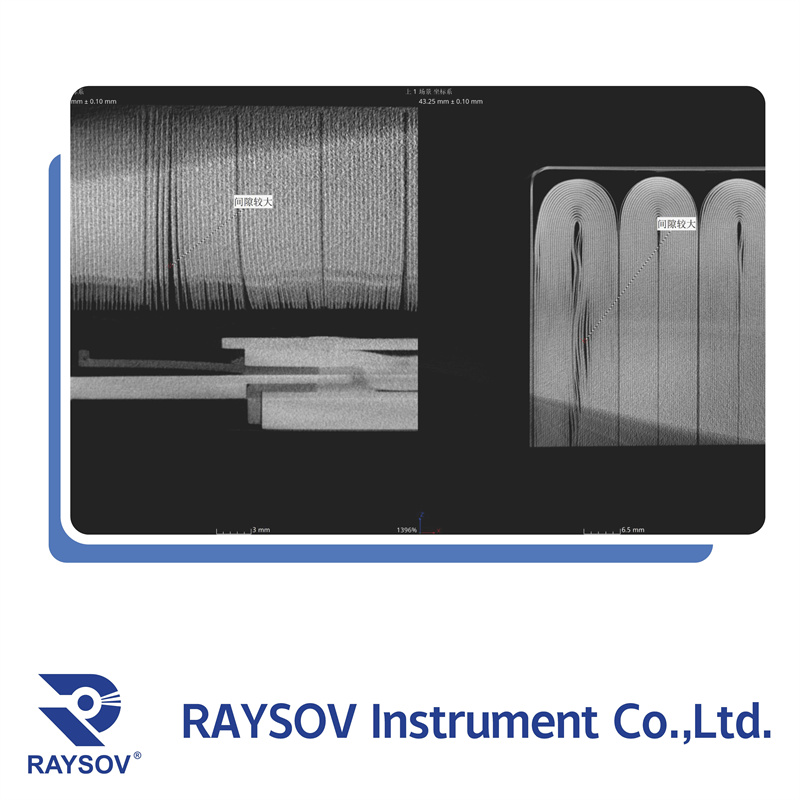
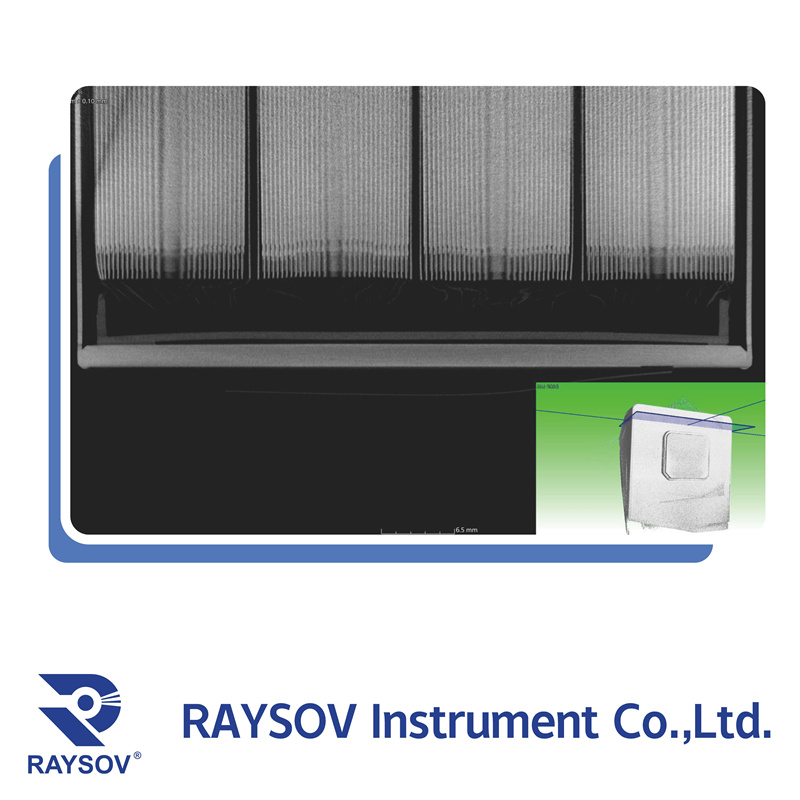
3D X-ray computed tomography (CT) is a non-destructive testing (NDT) technology, which rebuilt the internal structure of objects in 3D images.
Nondestructive testing (NDT) for batteries involves using advanced imaging techniques to examine the internal structure and components of a battery without damaging it. This is crucial for ensuring the safety, performance, and reliability of batteries, particularly in industries like automotive, aerospace, and consumer electronics.
One of the key NDT methods used for batteries is industrial computed tomography (CT) scanning. This technology allows for the reconstruction of the internal structure of batteries into a detailed three-dimensional (3D) model. Here’s how it works and its benefits:
3D Reconstruction: Industrial CT scanners use X-rays to capture multiple images of the battery from different angles. These images are then processed by powerful software algorithms to create a highly accurate 3D model of the battery’s internal structure. This includes the anode, cathode, separators, and other components.
Accurate Measurements and Defect Analysis: With the 3D model, technicians can perform precise measurements of the anode and cathode layers. They can evaluate the presence of any structural defects in the electrodes and analyze the anode overhang, which is the extent to which the anode extends beyond the cathode. Such measurements are critical for understanding the battery’s performance and identifying potential issues that could affect its lifespan or safety.
Reliability and Widespread Adoption: NDT methods, particularly industrial CT scanning, are highly reliable and have been widely adopted in various industries for battery quality control and failure analysis. By detecting issues early on, manufacturers can avoid potential risks such as battery failures, recalls, or safety hazards.
Automated Defect Recognition (ADR) Software: Optional ADR software can be integrated with the CT scanning system to automatically identify and classify defects within the battery. This enhances the efficiency and accuracy of the inspection process, allowing for faster and more consistent quality control.
micro CT systems and our customized X-ray CT inspection systems can able to scan electric vehicles EVs batteries to identify assembly defects or reveal internal structures.