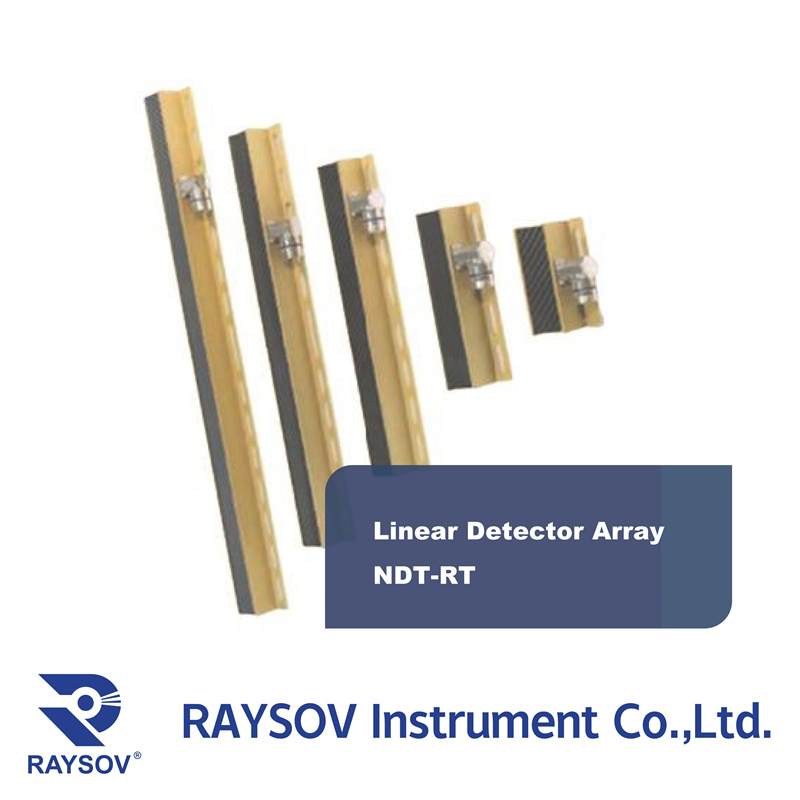
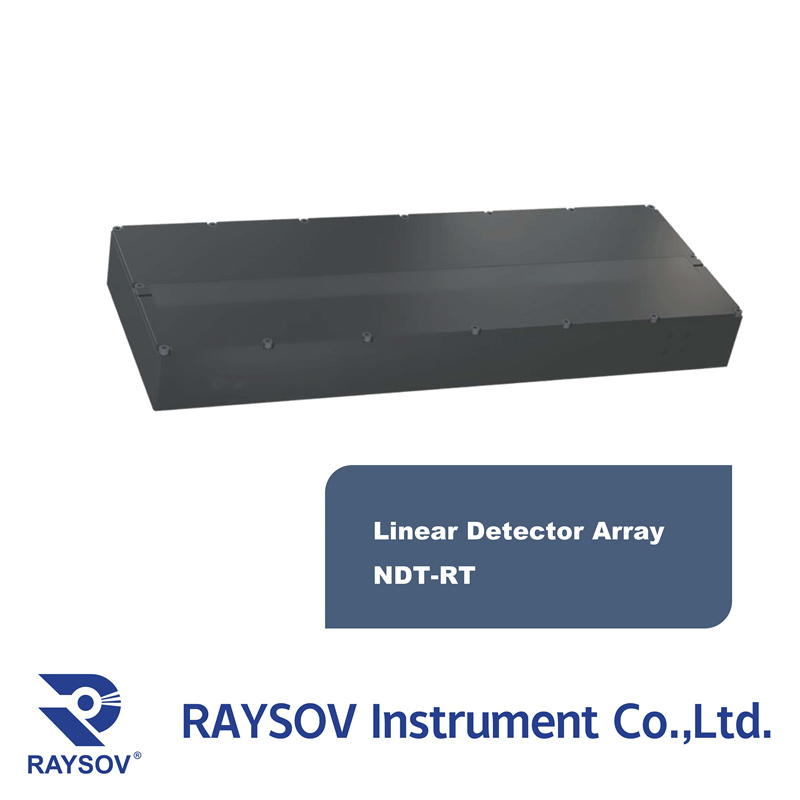
Linear detector arrays (LDAs) are electronic devices that are used to capture X-ray images. They have become increasingly popular in recent years, replacing the traditional X-ray film and computed radiography (CR) systems. LDAs offer numerous advantages, such as improved image quality, quicker image acquisition, and greater dose efficiency.
Traditional X-ray film and computed radiography systems are superior to Linear detector arrays in numerous ways. Among the primary benefits of Linear detector arrays are:
Linear detector arrays offer superior spatial resolution and contrast resolution in comparison to traditional X-ray film and computed radiography systems. This makes diagnosis and treatment planning more precise.
Linear detector arrays can yield digital images in seconds, whereas traditional X-ray film and computed radiography systems can take several minutes to acquire an image.
Linear detector arrays require lower X-ray dosages than traditional X-ray film and computed radiography systems in order to produce high-quality images. This reduces the object’s radiation exposure and increases operator safety.
Linear detector arrays eradicate the need for manual processing of X-ray film and CR plates, reducing the amount of time and effort required for image processing. This increases workflow efficiency and decreases the likelihood of errors.
Linear detector arrays can be used in a variety of industrial imaging applications, including general radiography, and computed tomography (CT). This makes them an adaptable and economical option for NDT.